Nipah Virus Awareness For Employees And Employers
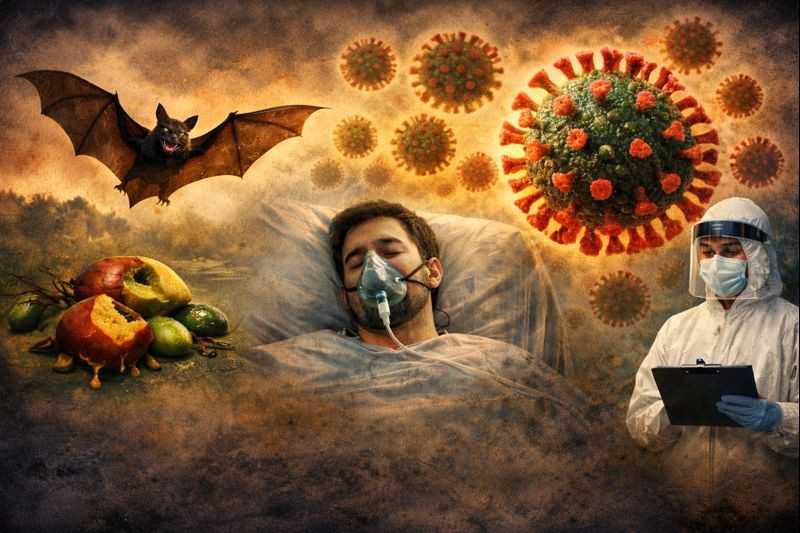
Health awareness at the workplace is not about creating panic. It is about being informed, prepared, and responsible. Nipah virus is a rare but serious infection that occasionally appears in parts of South and Southeast Asia, including India. While outbreaks are uncommon, awareness plays an important role in early prevention and safety.
For both employees and employers, understanding the basics helps reduce fear, misinformation, and unnecessary anxiety.
What Is Nipah Virus?
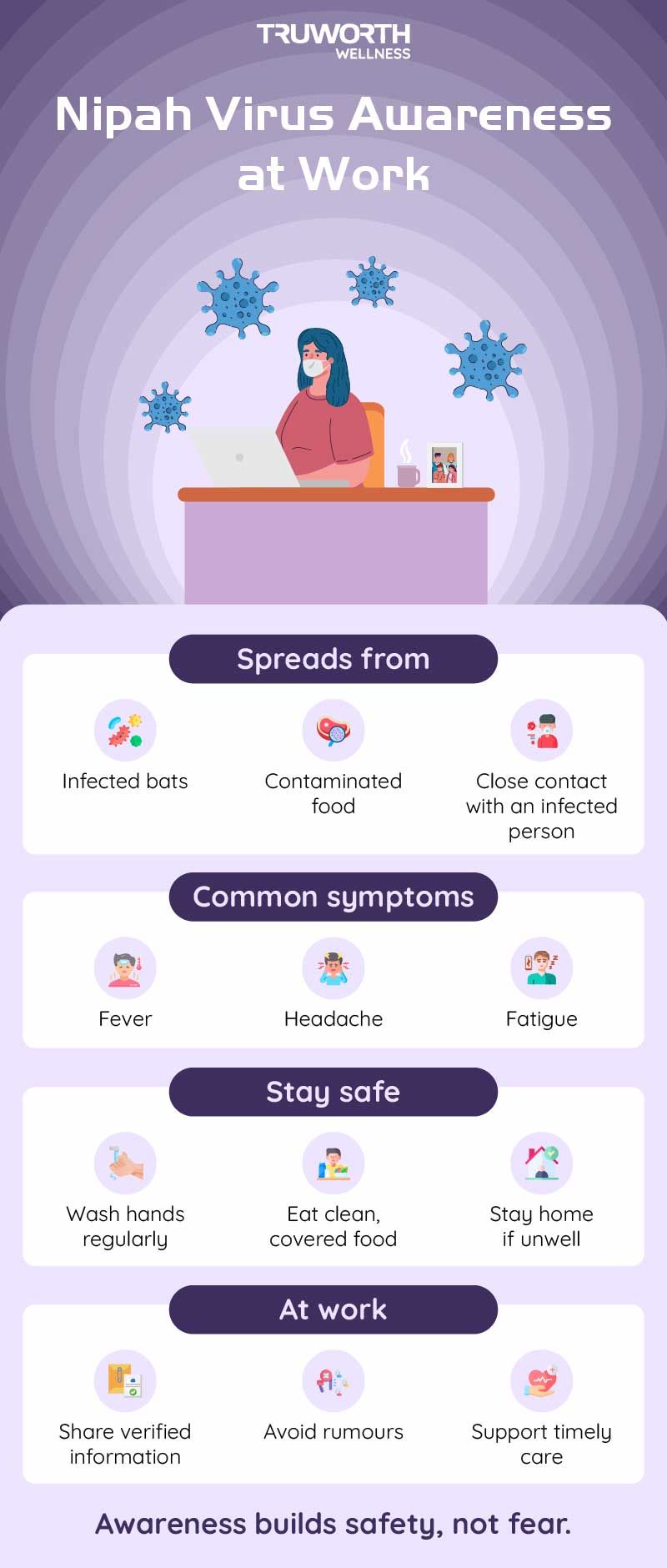
Nipah virus is a zoonotic virus, which means it can spread from animals to humans. It has been linked mainly to fruit bats and can spread to people through direct contact with infected animals, contaminated food, or close contact with an infected person.
It is important to note that Nipah virus does not spread easily like common flu or seasonal infections. Most outbreaks are limited and closely monitored by health authorities.
Top 10 Hygiene Myths: Debunked
Why Workplace Awareness Matters?
Workplaces bring people together for long hours each day. This makes awareness, hygiene, and responsible behaviour important during any public health alert.
- For employees, awareness helps reduce unnecessary fear and encourages early reporting of symptoms.
- For employers, awareness supports business continuity, employee trust, and responsible care.
A calm, informed workplace responds better than one driven by rumours.
Common Symptoms to Be Aware Of
Symptoms of Nipah virus can vary, but early signs may include:
- Fever
- Headache
- Muscle pain
- Sore throat
- Fatigue
In some cases, symptoms can progress to breathing difficulties or neurological issues. However, these severe outcomes are rare and usually identified under medical supervision.
Employees experiencing persistent or unusual symptoms should seek medical advice rather than self-diagnosing.
How Nipah Virus Spreads?
Understanding transmission helps reduce unnecessary worry.
Nipah virus may spread through:
- Direct contact with infected animals such as bats or pigs
- Consumption of contaminated food
- Close contact with bodily fluids of an infected person
- Casual workplace interactions, shared seating, or brief conversations are not typical modes of transmission.
What Employees Can Do?
Employees play a key role in maintaining a safe and healthy work environment.
Simple actions include:
- Practising good hand hygiene
- Avoiding consumption of uncovered or unwashed fruits
- Staying home when feeling unwell
- Reporting symptoms early and responsibly
- Avoiding reliance on social media rumours for health information
- Awareness is about prevention, not fear.
The Importance Of Timely Health & Immunity Assessment
What Employers Can Do?
Employers are not expected to become healthcare providers. Their role is to create a supportive and informed environment.
Helpful steps include:
- Sharing verified health information from trusted sources
- Encouraging sick employees to rest and seek medical care
- Supporting flexible work options if required
- Reinforcing hygiene practices in common areas
- Avoiding alarmist communication that creates panic
- Clear, calm communication builds confidence and trust.
Preventive Measures Every Corporate Must Take To Minimize Illness At Work
The Importance of Responsible Communication
During health alerts, misinformation spreads faster than viruses. Rumours can increase anxiety, stigma, and unnecessary disruption.
Both employees and employers should rely on updates from government health authorities and medical professionals. Avoid forwarding unverified messages or exaggerated claims.
A responsible workplace focuses on facts, not fear.
Preparedness Without Panic
Being aware of Nipah virus does not mean expecting an outbreak. It means knowing how to respond sensibly if a health advisory is issued.
- Preparedness includes:
- Awareness sessions
- Clear reporting protocols
- Supportive leave policies
- Emphasis on overall wellbeing
These steps strengthen workplace resilience beyond any single health concern.
Enhancing Corporate Health: The Key Role Of Disease Management
A Shared Responsibility
Health and safety at work are shared responsibilities. When employees stay informed and employers stay supportive, workplaces remain calm, functional, and humane even during uncertainty.
Awareness is not about alarm. It is about care.
Truworth Wellness Perspective
At Truworth Wellness, we support organizations in building health awareness that is calm, credible, and people-centric. Our workplace wellbeing interventions focus on preventive awareness, emotional reassurance, and responsible communication, helping organizations protect both productivity and people during public health concerns.
Through our workplace wellbeing solutions, we support organizations with:
- Preventive health awareness and education programs
- Expert-led sessions on infectious disease awareness and hygiene practices
- Health risk assessments and employee self-check tools
- Emotional wellbeing and stress management support during health alerts
- Structured communication guidance to avoid panic and misinformation
- Ongoing wellness programs that strengthen overall workforce resilience
By addressing both physical health awareness and emotional wellbeing, Truworth Wellness helps organizations protect people, sustain trust, and maintain stability during uncertain times.